
Breaking Myths: Scuba Diving Safety Tips and Facts


Understanding Scuba Diving Safety
Scuba diving is often perceived as a dangerous activity, but with proper training and precautions, it can be a safe and exhilarating experience. Understanding the myths and facts about scuba diving safety is crucial for both beginners and seasoned divers.

Myth 1: Scuba Diving is Only for Experts
Many people believe that scuba diving is reserved for expert swimmers or athletes. In reality, anyone in good health can learn to scuba dive. Certified training programs are designed to teach individuals of all skill levels how to dive safely and confidently. It's important to choose a reputable diving school to ensure quality instruction.
Essential Safety Tips for Beginners
For those new to scuba diving, following safety guidelines is key. Here are some essential tips:
- Complete a certified diving course.
- Always dive with a buddy.
- Perform a pre-dive safety check.
- Never hold your breath while ascending.
Understanding Equipment and Conditions
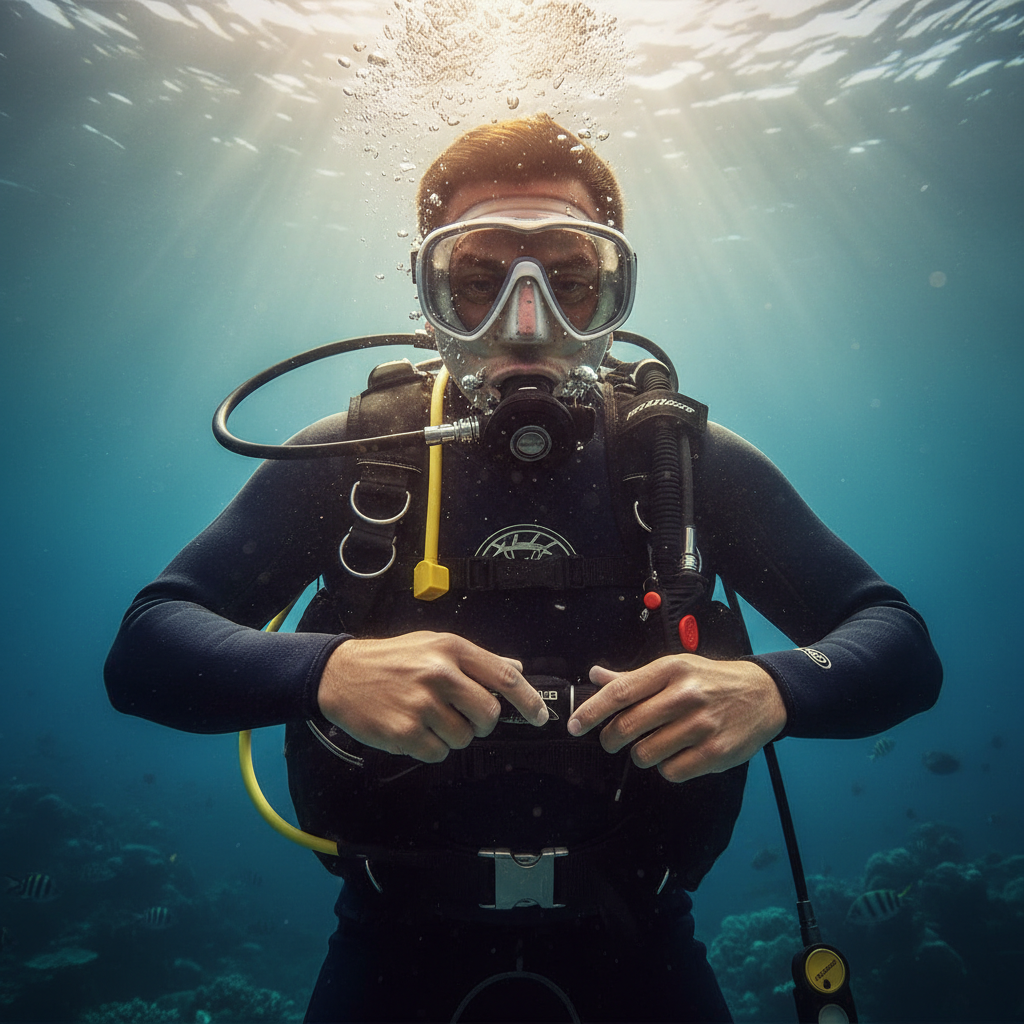
Modern scuba equipment is designed with safety in mind. Understanding how to use and maintain your gear is a vital part of diving safely. Regular equipment checks and proper maintenance can prevent most equipment-related accidents.
Myth 2: Sharks are a Major Threat
Hollywood has popularized the idea that sharks are a constant threat to divers. However, shark attacks are exceedingly rare. Most marine life is not aggressive towards humans, and respecting their space is usually enough to avoid any issues.

Fact: Dive Planning Enhances Safety
Planning your dive is an effective way to enhance safety. This includes understanding the dive site, checking weather conditions, and setting a clear dive plan with your partner. Being prepared can make the dive more enjoyable and reduce risks.
It's also crucial to monitor your air supply and depth throughout the dive. Using a dive computer can help manage these factors effectively. Technology has greatly improved the safety and enjoyment of scuba diving.
Continual Learning and Practice
Even after becoming certified, continual learning and practice are important. Advanced courses and specialty certifications can provide further insights into safe diving practices and help you explore more challenging dive sites. Regular practice helps maintain skills and confidence underwater.
Breaking these myths and understanding the facts about scuba diving safety can help more people enjoy this incredible activity. By following safety tips and respecting the underwater environment, divers can experience the wonders of the ocean safely.