How to Choose the Right Scuba Diving Course for You

Understanding Your Goals
Before diving into the world of scuba, it's essential to understand your goals. Are you looking to explore underwater ecosystems, or do you aim to become a professional diver? Knowing your objectives will guide your course selection. Different courses cater to various levels of interest and expertise, from beginner to advanced.
For those just starting, a basic certification like the Open Water Diver course is ideal. This course provides the foundational skills necessary for safe diving. However, if your goal is to dive deeper into the ocean, consider an Advanced Open Water course.
Researching Dive Schools
Choosing the right dive school is crucial. Look for schools with a good reputation, experienced instructors, and proper accreditation. Organizations like PADI and SSI are well-recognized worldwide, and their certifications are widely accepted.
Check reviews and testimonials from previous students to get a sense of the school's quality. A school with positive feedback and a strong safety record should be your top choice. Additionally, consider the location. Choose a place that offers diverse dive sites to enhance your learning experience.
Course Content and Duration
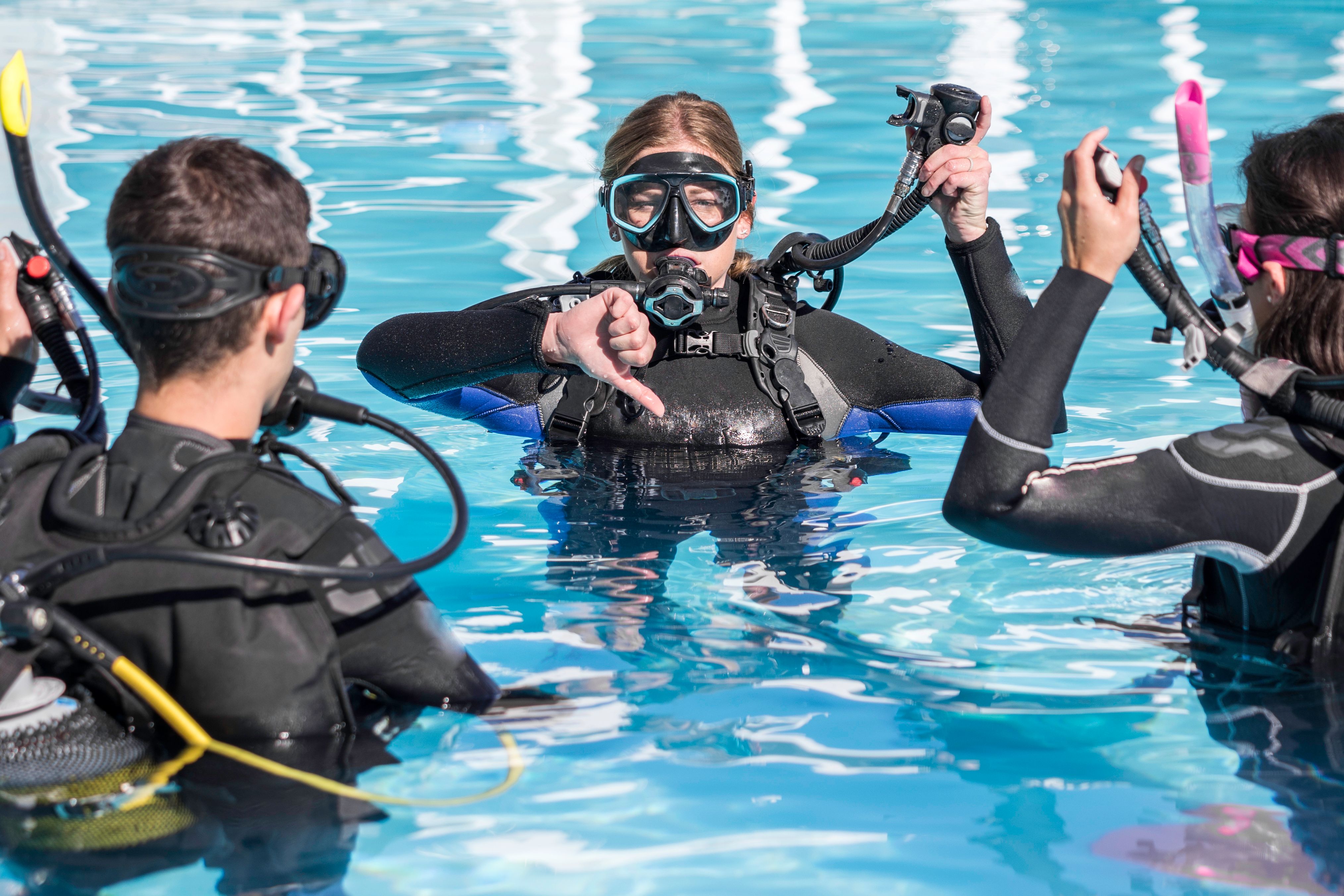
Understanding the course content is vital. Review the syllabus to ensure it covers essential skills such as buoyancy control, underwater navigation, and emergency procedures. A comprehensive course will prepare you better for real-world diving scenarios.
Course duration is another factor to consider. Some courses are intensive and completed in a few days, while others offer a more relaxed pace over several weeks. Choose a duration that fits your schedule and learning preference.
Equipment and Facilities
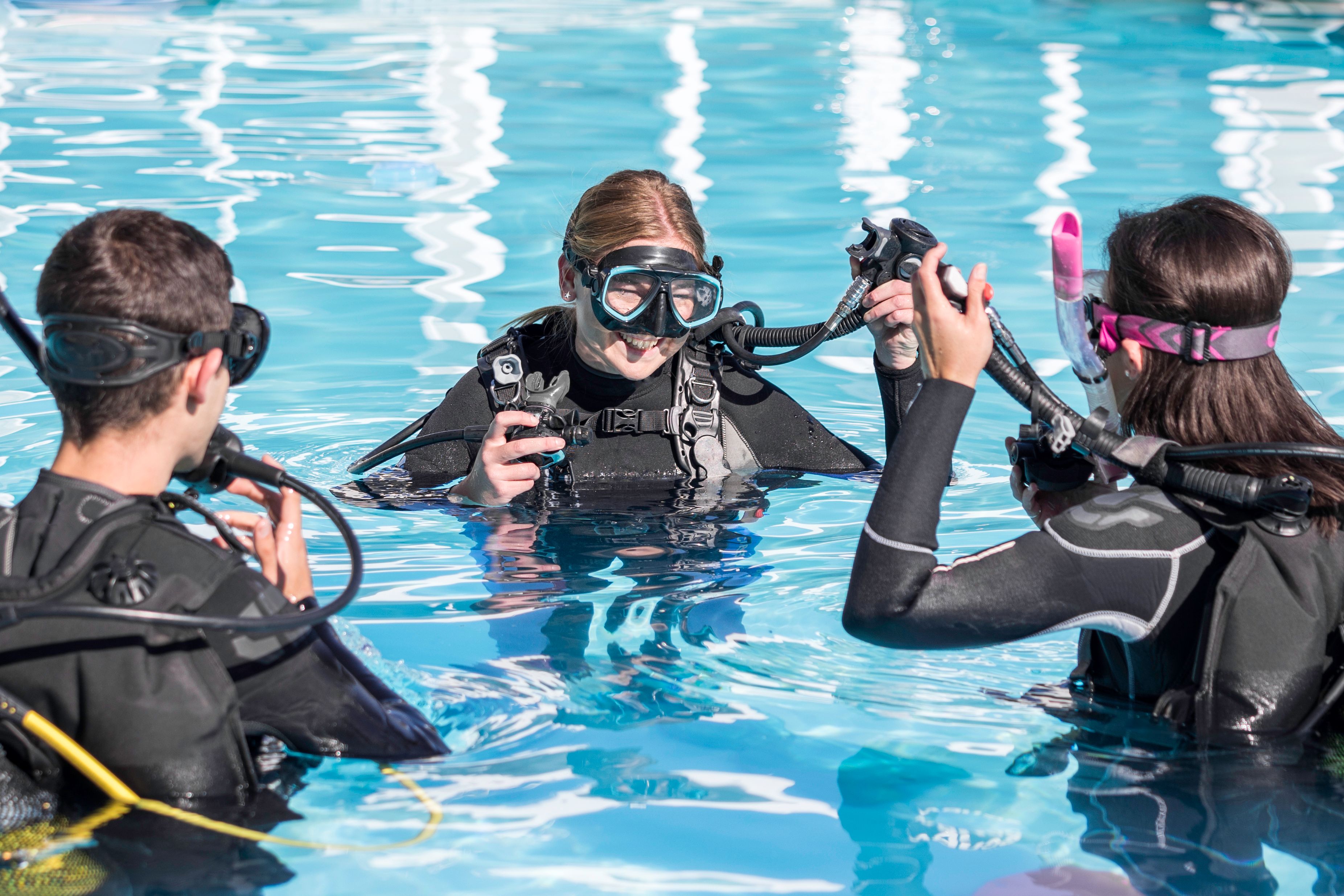
Before enrolling, inquire about the equipment and facilities available. A reputable dive school should provide well-maintained gear. Check if the course fee includes equipment rental or if there are additional costs.
Facilities should include access to a training pool and dive boats. A school with modern classrooms and multimedia resources can enhance the learning experience.
Considering Costs
Scuba diving courses can vary significantly in cost. It's important to find a course that fits your budget without compromising on quality. Be wary of extremely low-cost options, as they may cut corners on safety and instruction.
Consider all expenses, including travel, accommodation, and gear rental, when budgeting for your course. Sometimes, investing a bit more in a reputable school can provide a better and safer learning experience.
Personal Recommendations
Talk to friends or family members who have taken scuba diving courses. Personal recommendations can provide valuable insights and help you make an informed decision. They might suggest schools or instructors who made their learning experience enjoyable and safe.
Online forums and diving communities can also be excellent resources for advice and recommendations from fellow divers.
Trial Dives and Introductory Sessions
If you're uncertain about committing to a full course, look for schools that offer trial dives or introductory sessions. These experiences can give you a feel for diving and help you decide if it's something you want to pursue further.
Trial sessions are a great way to meet instructors and assess the teaching style before committing to a full course.