
How to Prepare for Your First Open Water Diver Course

Understanding the Basics
Embarking on your first open water diver course is an exciting adventure that opens up a new world beneath the waves. Before you dive in, it’s essential to familiarize yourself with some basic concepts. Understanding the principles of buoyancy, pressure, and underwater navigation will give you a head start. These foundational elements are critical for your safety and enjoyment underwater.
Consider doing some preliminary reading or watching videos about scuba diving basics. This will make you more comfortable and confident as you begin your lessons. Remember, diving is a skill that combines knowledge and practice.
Gathering Your Gear
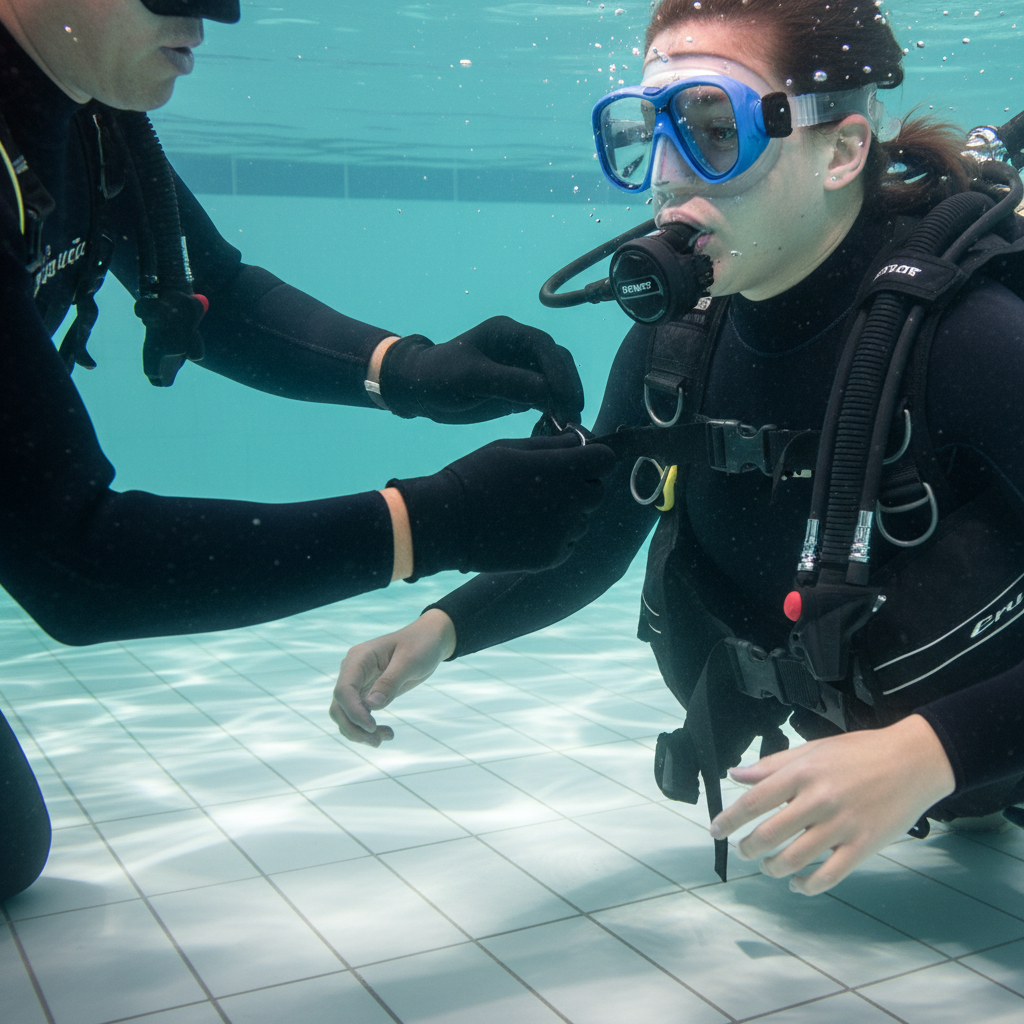
While most diving schools provide equipment, having your own gear can enhance your diving experience. Start by investing in a high-quality mask, snorkel, and fins, as these are the most personal items. A well-fitted mask prevents water leakage and ensures clear vision underwater, while comfortable fins can make a big difference in your movement.
If you’re considering purchasing additional equipment, consult with your instructor to ensure compatibility and suitability for your diving conditions. Don’t forget to try everything on before heading to the water to ensure a proper fit.
Physical and Mental Preparation
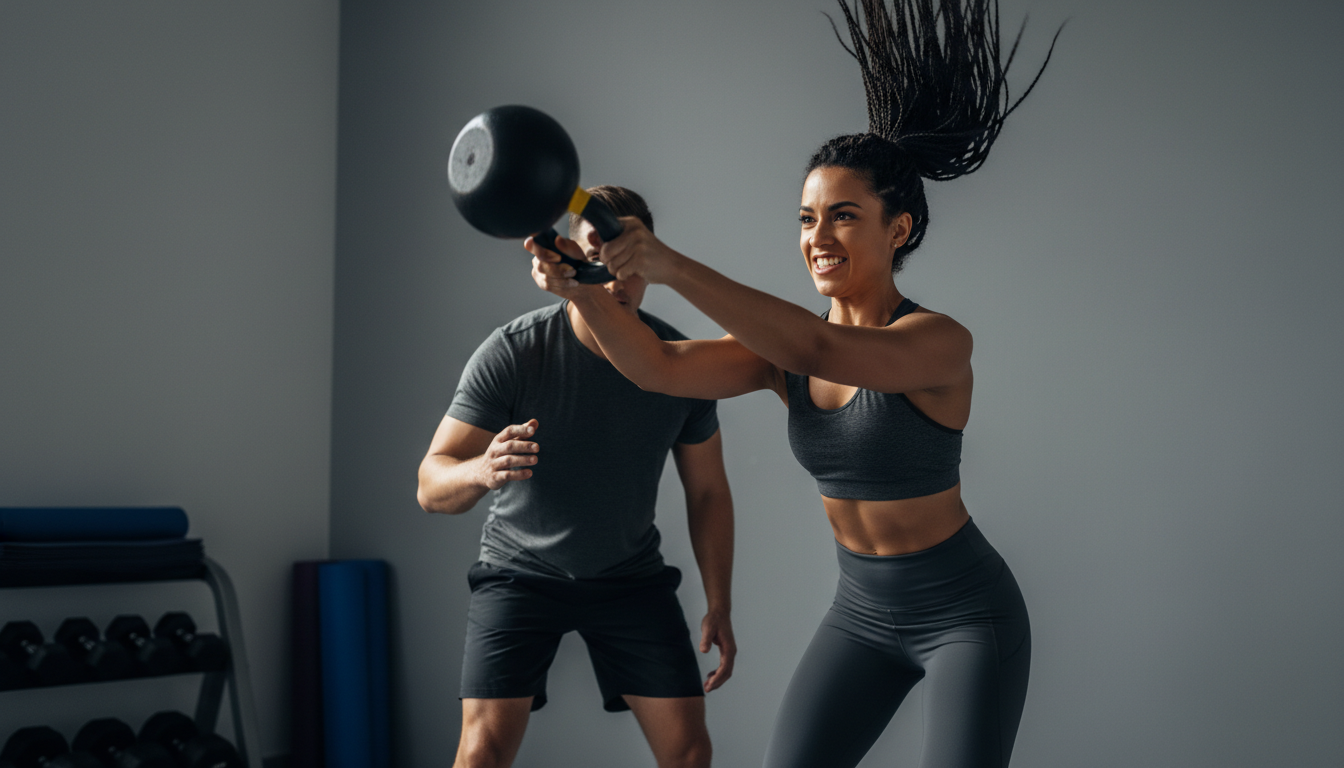
Diving requires a reasonable level of physical fitness. Engaging in regular cardiovascular and strength training exercises can help increase your stamina and ensure you’re ready for the physical demands of diving. Activities like swimming, jogging, and yoga are great for building endurance and flexibility.
Mental preparation is equally important. Practice relaxation techniques such as deep breathing or meditation to help manage any anxiety you may feel. Staying calm and composed underwater is crucial for a safe diving experience.
Understanding Safety Protocols
Safety should always be your top priority when diving. Familiarize yourself with essential safety protocols, including hand signals, buddy checks, and emergency procedures. Understanding these protocols will not only ensure your safety but also that of your diving partners.
Your instructor will cover these topics extensively during your course, but reviewing them beforehand can give you a valuable head start. Remember, a well-prepared diver is a safe diver.
Setting Realistic Expectations
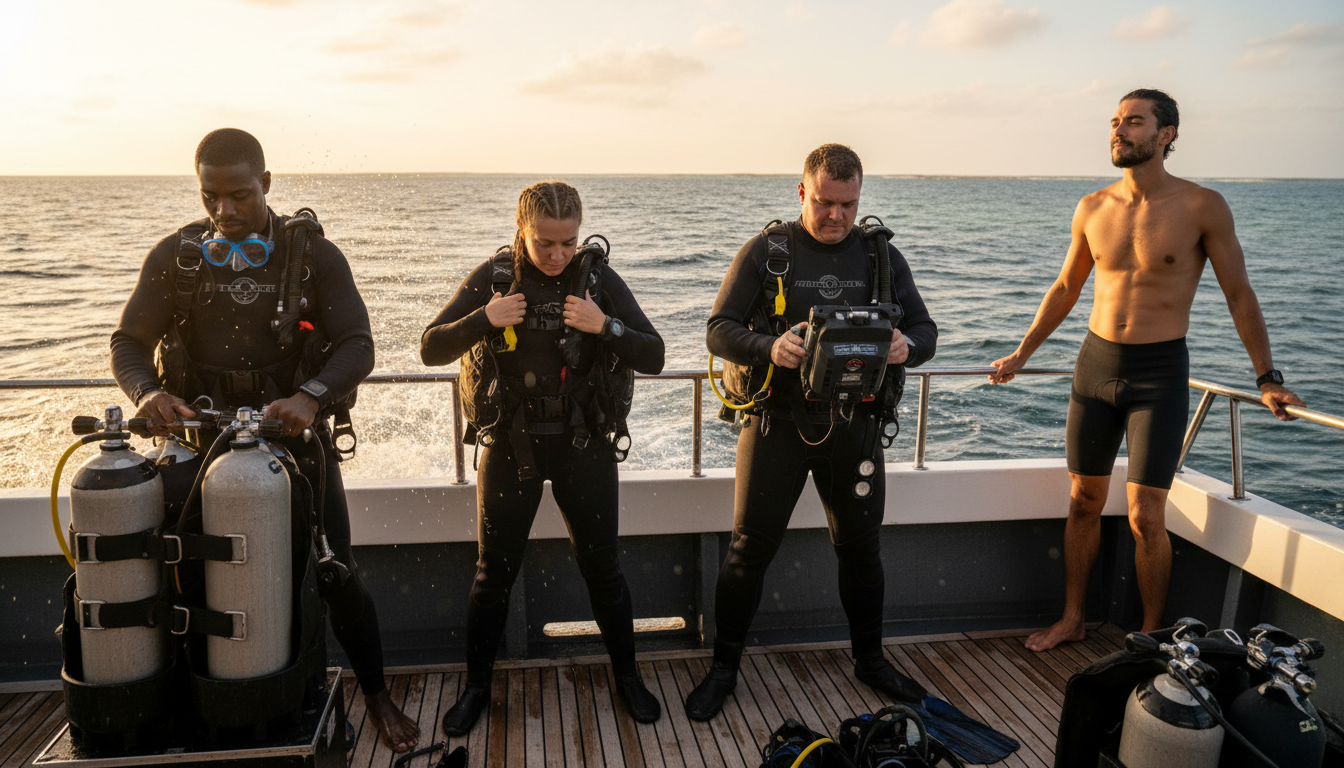
It’s important to set realistic expectations for your first open water diver course. Learning to dive is an incremental process; you won't master everything immediately. Be prepared to make mistakes and learn from them, as this is a natural part of the learning curve.
Listen to your instructor, ask questions, and practice patience. Every diver progresses at their own pace, and that’s perfectly okay. Focus on enjoying the experience and the incredible new world you’re discovering.
Connecting with Fellow Divers
Building connections with fellow divers can enhance your experience and provide a support network. Engage with your classmates, share experiences, and learn from one another. Diving is often a social activity, and having a buddy you trust is invaluable.
Consider joining local diving clubs or online communities to meet more experienced divers who can offer advice and encouragement. These connections can enrich your diving journey and lead to lifelong friendships.

Enjoying the Journey
Finally, remember to enjoy the journey. Diving opens up a world of exploration and wonder. Whether it’s your first glimpse of a vibrant coral reef or encountering a school of colorful fish, these experiences are what make diving truly special.
Embrace each dive as an opportunity to learn and grow. With the right preparation and mindset, your first open water diver course can be the beginning of a lifelong passion.