
Myth-Busting: Common Misconceptions About Scuba Diving


Introduction to Scuba Diving Misconceptions
Scuba diving is often shrouded in mystery and misconceptions. Whether you're a seasoned diver or someone considering taking the plunge for the first time, it's essential to separate fact from fiction. Let’s debunk some of the most common myths about scuba diving.
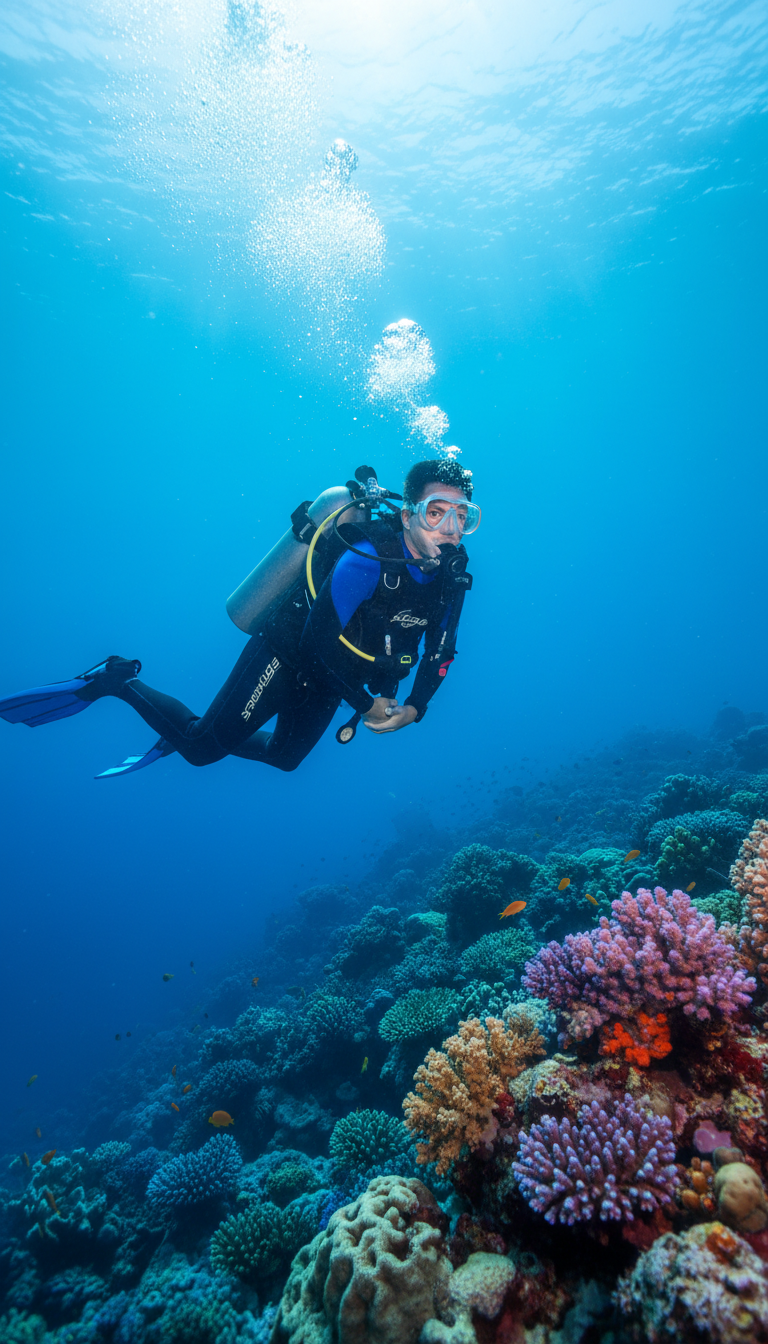
Myth 1: Scuba Diving is Dangerous
One of the most persistent myths is that scuba diving is inherently dangerous. In reality, diving is a safe activity when proper training and precautions are followed. The key to safety is thorough training and adherence to established diving protocols. Modern equipment and technology have made diving safer than ever.
Understanding the Risks
Like any adventure sport, scuba diving comes with risks. However, these can be minimized through education and experience. Certified instructors provide essential training that covers everything from equipment use to emergency procedures. Following these guidelines ensures a safe and enjoyable experience.
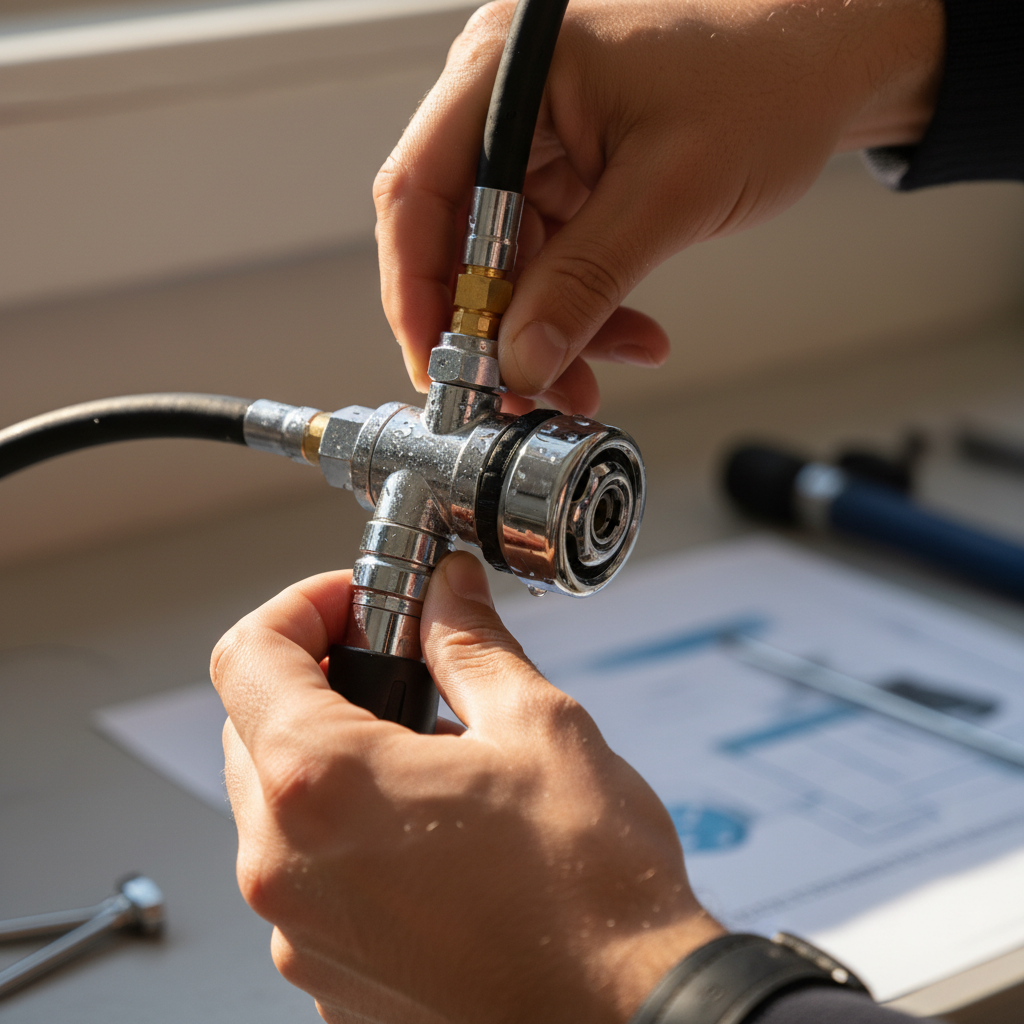
Myth 2: You Need to Be an Excellent Swimmer
Many people believe that only expert swimmers can scuba dive. While being comfortable in the water is important, you don't need to be an Olympic-level swimmer. Basic swimming skills and the ability to float are sufficient for most beginner courses.
Role of Buoyancy Control
An essential part of scuba diving is learning buoyancy control, which allows divers to maintain stability underwater. This skill is taught during training and helps ensure that even those with modest swimming skills can dive safely.
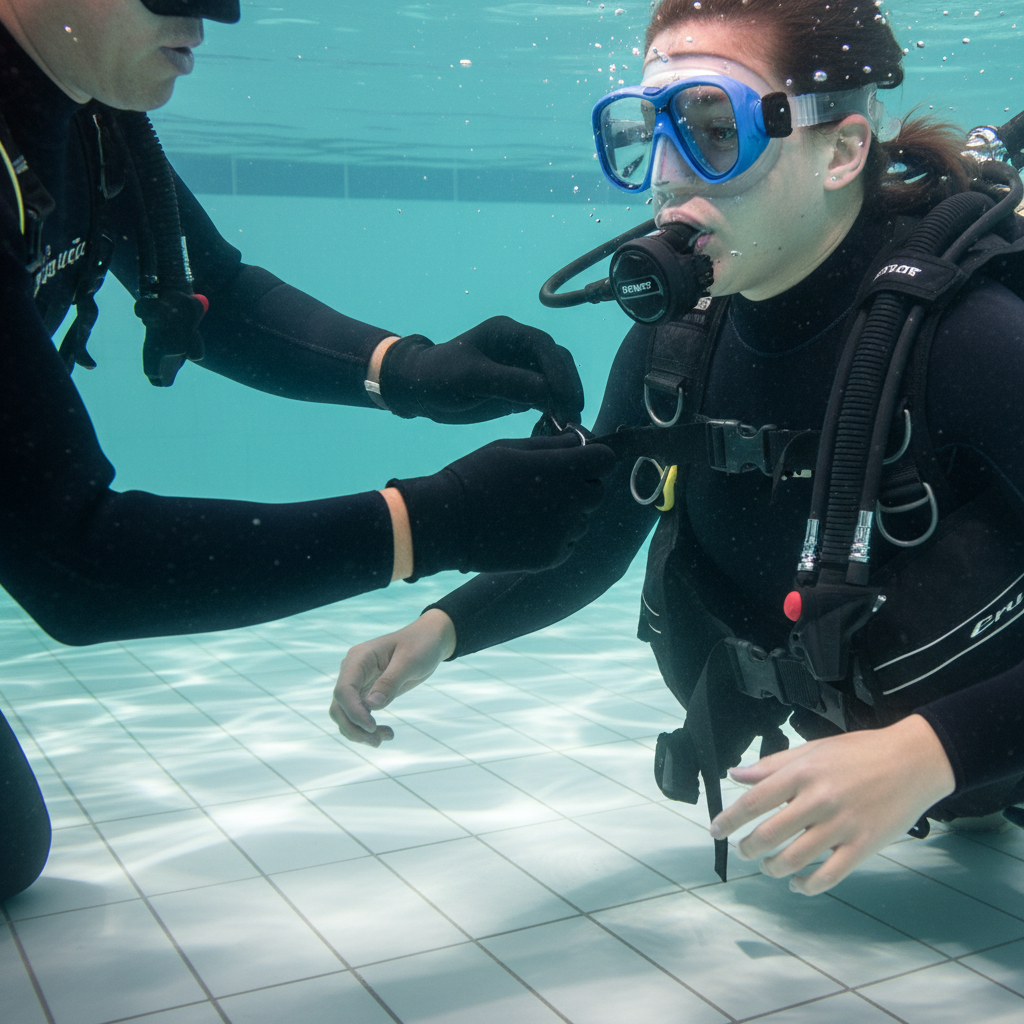
Myth 3: Scuba Diving is Only for Tropical Locations
While tropical waters are popular for their vibrant marine life, scuba diving is possible in various environments worldwide. From freshwater lakes to temperate seas, there are diverse diving opportunities that cater to different interests.
Exploring Diverse Ecosystems
Divers can explore a range of ecosystems, such as kelp forests, shipwrecks, and coral reefs. Each location offers unique experiences and challenges, allowing divers to appreciate the underwater world’s vast diversity.
Myth 4: Scuba Diving is Expensive
Another common misconception is that scuba diving is a prohibitively expensive hobby. While there is an initial investment for training and equipment, many dive shops offer rentals and affordable packages to make diving accessible to a broader audience.
Finding Cost-Effective Options
Many dive centers provide budget-friendly courses and group discounts. Additionally, once certified, divers can enjoy countless underwater adventures without breaking the bank. Planning trips during off-peak seasons can also reduce costs significantly.

Conclusion
Scuba diving is a thrilling and accessible activity for those willing to learn and respect the ocean. By dispelling these common myths, we hope more people will be encouraged to explore the incredible underwater world. Whether you're diving in a local lake or a tropical paradise, the magic of the ocean awaits.