
Top 5 Myths About Scuba Diving Certification Courses Debunked

Understanding Scuba Diving Certification
Scuba diving is an exhilarating adventure that opens up a whole new underwater world. However, before you can dive into the deep blue, obtaining a scuba diving certification is essential. Despite its importance, many myths surround the certification process, making it seem daunting for beginners. Let's debunk the top five myths about scuba diving certification courses.
Myth 1: Certification is Extremely Expensive
One common misconception is that scuba diving certification costs a fortune. While there are costs involved, they are often comparable to other hobby-related expenses. Many diving schools offer packages that include equipment rental, course materials, and pool sessions at reasonable rates. Additionally, some locations provide discounts during off-peak seasons.
Myth 2: You Need to Be a Great Swimmer
While comfort in the water is beneficial, you don't need to be an Olympic swimmer to get certified. Basic swimming skills and the ability to float are generally sufficient. Certification courses cover essential water skills, ensuring you become confident and comfortable underwater.

Myth 3: Scuba Diving is Dangerous
Scuba diving is often perceived as a dangerous sport. However, with proper training and adherence to safety protocols, it is very safe. Certification courses emphasize safety and teach divers how to handle potential underwater challenges. The key is to dive within your limits and follow the guidelines provided by your instructor.
Additional Myths to Consider
Myth 4: Certification Takes Too Long
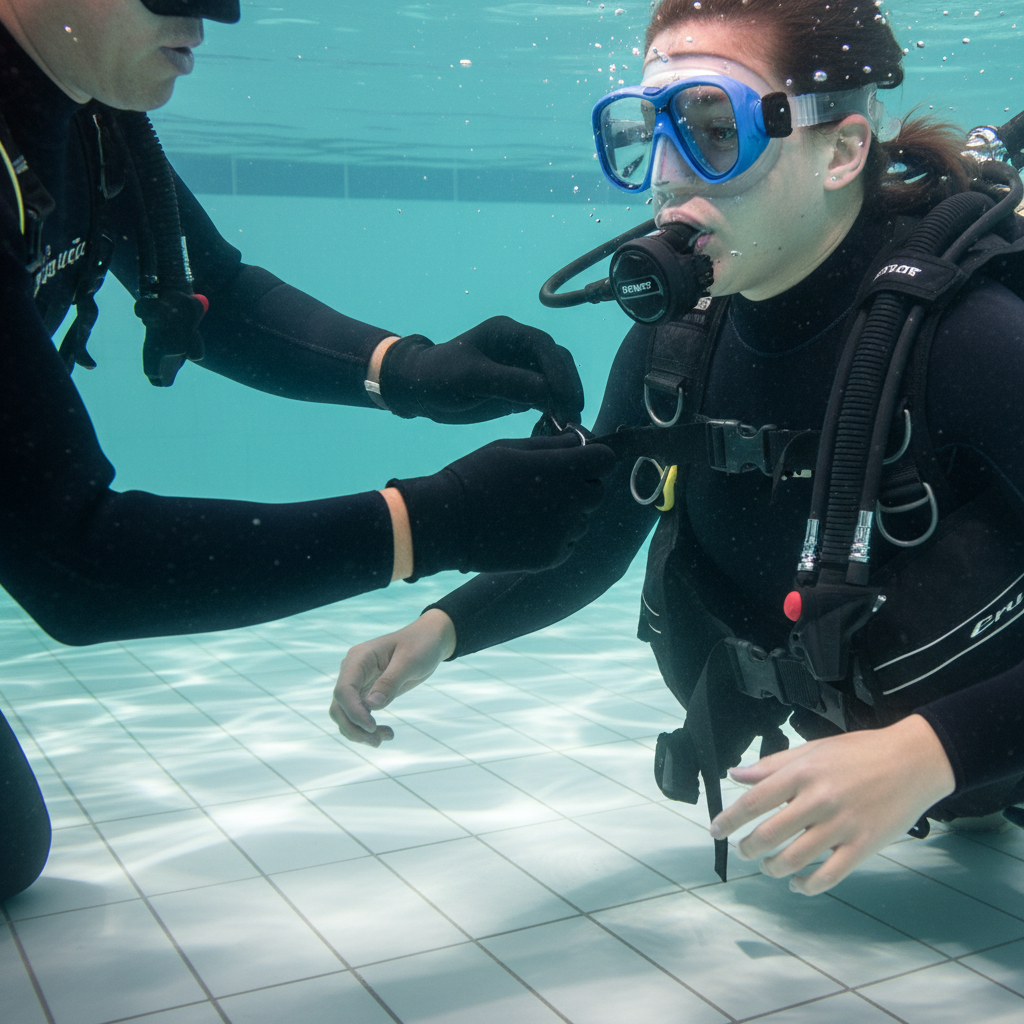
Many people believe that getting certified is a lengthy process. In reality, most basic open water certification courses can be completed in a few days to a week, depending on the schedule. Flexible course options, including weekend and evening classes, make it easier for individuals to fit training into their busy lives.
Myth 5: All Certification Agencies are the Same
Not all certification agencies are identical. Each has its own curriculum, standards, and recognition. Popular agencies like PADI, SSI, and NAUI offer widely recognized certifications. It's crucial to choose a reputable agency that aligns with your learning style and diving goals.
In conclusion, obtaining a scuba diving certification is a rewarding endeavor that is more accessible than many believe. By debunking these myths, we hope to encourage more aspiring divers to take the plunge and explore the wonders beneath the waves.