
Top Tips for Choosing the Right Scuba Certification Course

Understand Your Goals
Before diving into the world of scuba certification, it's crucial to identify your personal goals. Are you looking to dive recreationally, or are you aiming for professional certification? Understanding your purpose will guide you in selecting the right course that aligns with your aspirations.
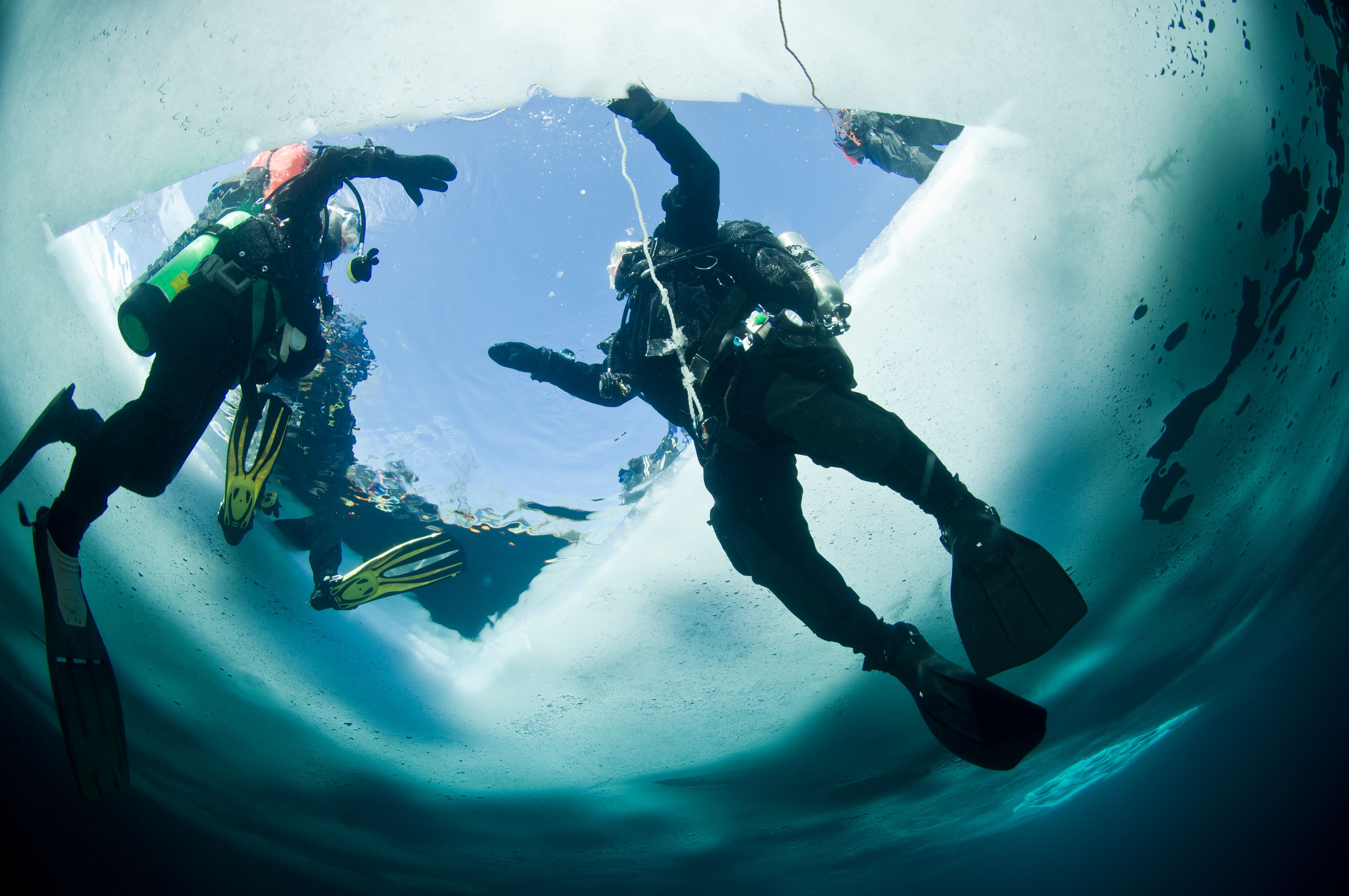
Consider the types of dives you're interested in, such as exploring coral reefs, shipwrecks, or cave diving. Each of these has different requirements and may influence your choice of certification.
Research Certification Agencies
There are several internationally recognized scuba certification agencies, such as PADI, NAUI, and SSI. Each offers a range of courses from beginner to advanced levels. Research the reputation, course structure, and global recognition of these agencies to ensure you choose the right fit for your needs.
It's wise to read reviews and testimonials from past students. This can provide insights into the quality of instruction and the overall experience provided by the agency.
Evaluate Course Content and Structure
Different courses offer varying content and structure. Some may focus more on practical skills, while others emphasize theoretical knowledge. Make sure the course you choose provides a balanced approach that covers essential safety protocols, equipment handling, and underwater navigation skills.
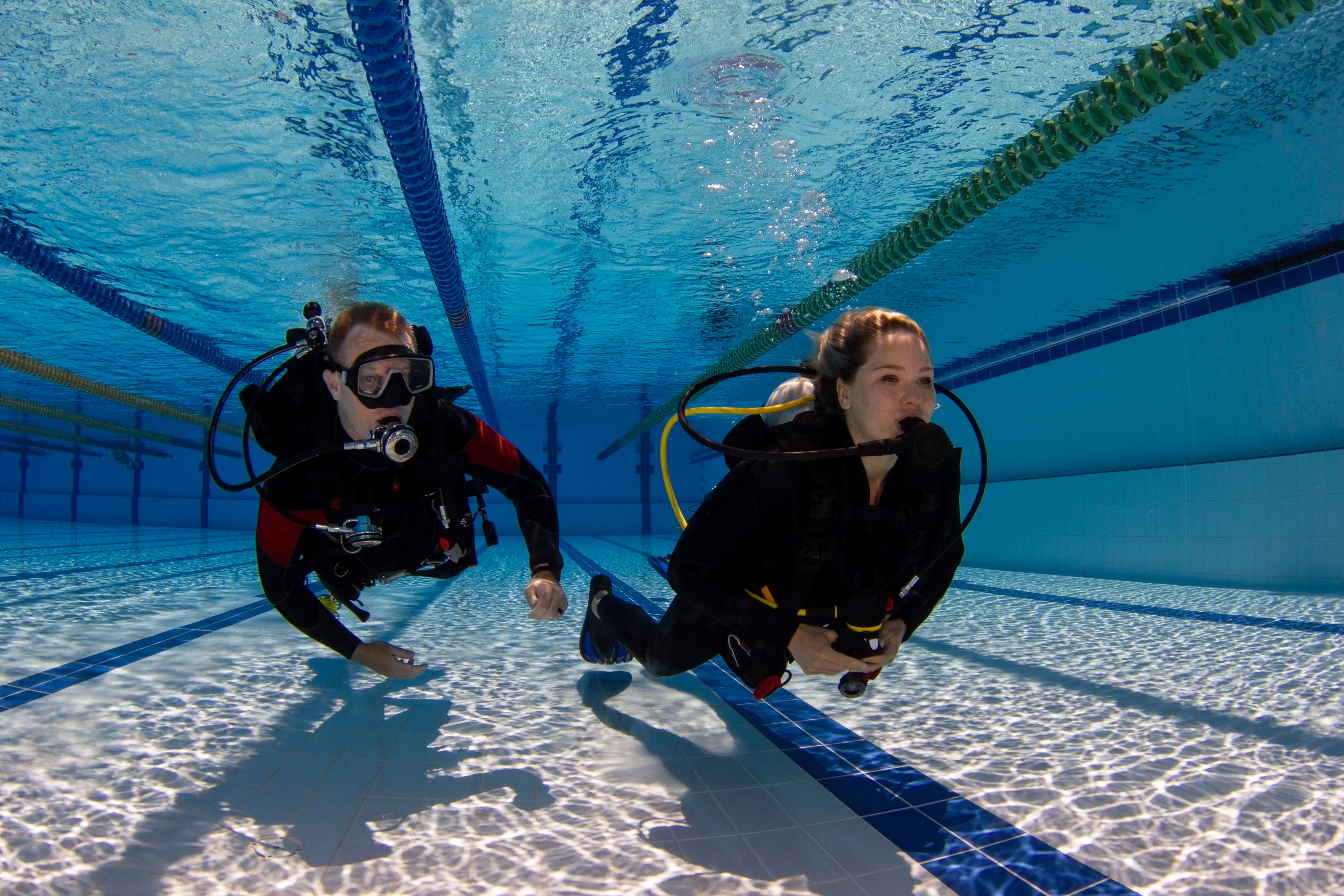
Check if the course includes open water dives as part of the training. Real-world experience is crucial for building confidence and competence in scuba diving.
Assess Instructor Qualifications
The quality of your scuba diving experience heavily depends on the instructor. Look for courses taught by certified and experienced instructors. Their expertise and teaching style will impact your learning and enjoyment of the course.
Don't hesitate to ask about the instructor's background, including their diving experience and teaching credentials. A knowledgeable instructor can make a significant difference in your scuba diving journey.
Consider Class Size and Schedule
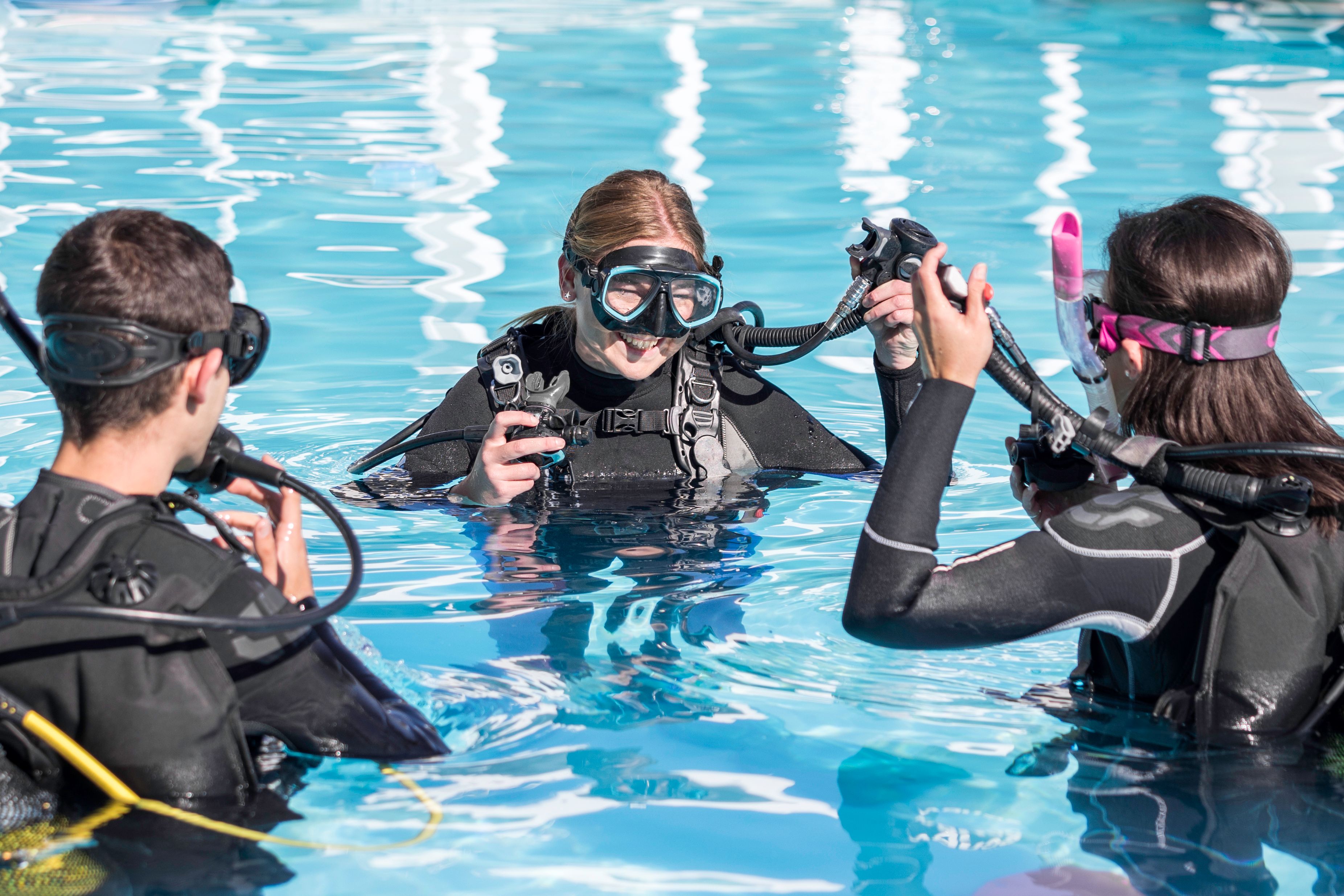
Class size can greatly affect the learning environment. Smaller classes often provide more personalized attention and a better opportunity to practice skills. Find out how many students will be in your class and ensure it aligns with your learning preferences.
Additionally, consider the schedule and location of the course. Make sure it fits within your availability and is convenient for you to attend.
Check Equipment and Facilities
Ensure that the course provides access to high-quality equipment and facilities. Reliable gear is critical for safety and comfort during dives. Visit the dive center if possible to inspect the equipment and facilities firsthand.

Some courses may offer rental equipment, while others require you to bring your own. Clarify these details before enrolling to avoid any surprises.
Compare Costs and Value
While cost is an important factor, don't base your decision solely on price. Compare the value offered by different courses, including the quality of instruction, materials provided, and overall experience. A slightly higher fee may be justified by better training and support.
Look for courses that provide comprehensive packages, including materials, equipment rental, and certification fees, to avoid hidden costs.
Seek Recommendations
Finally, ask for recommendations from friends, family, or fellow divers. Personal experiences can offer valuable insights and help you make an informed decision. Dive forums and online communities are also excellent resources for gathering opinions and advice.
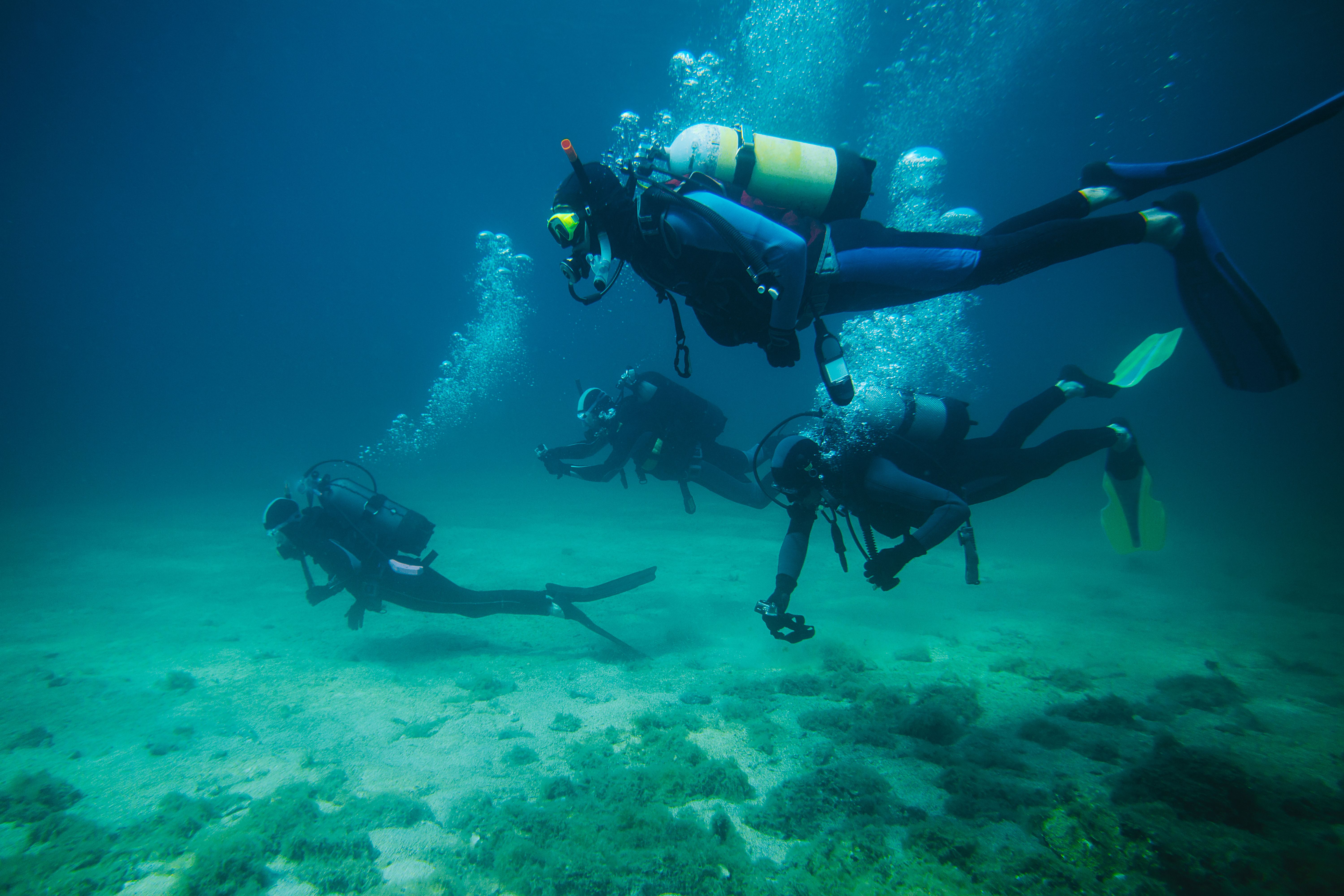
Taking the time to choose the right scuba certification course will enhance your diving experience and set a solid foundation for your underwater adventures. Happy diving!